
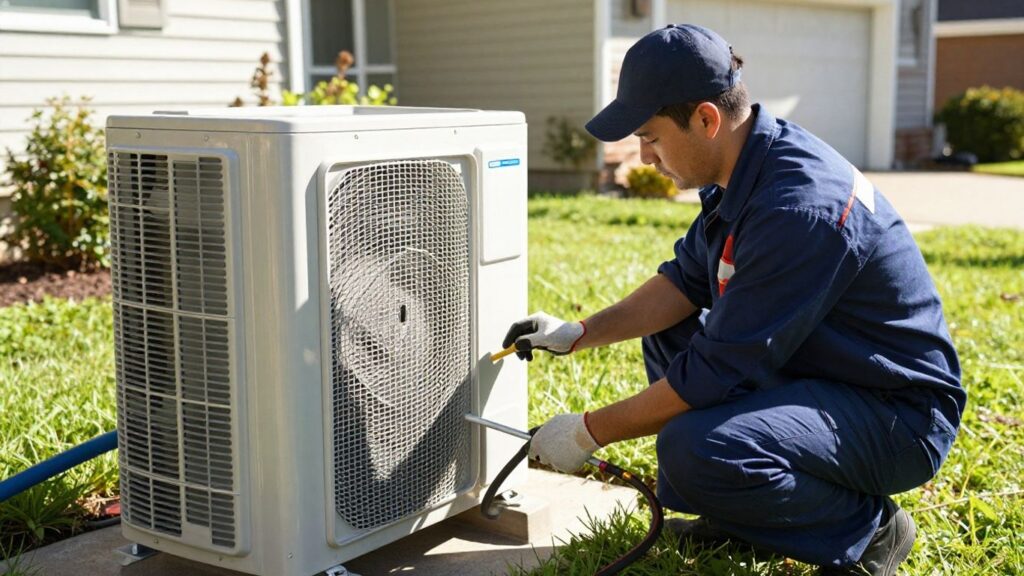
Running an HVAC business can feel like a juggling act, right? We’re constantly trying to keep track of appointments, manage our inventory, and make sure our customers are happy. It’s easy for things to get messy, especially if we’re still relying on old-school methods. But what if I told you there’s a way to make all of this much, much simpler? We’ve found that using the right HVAC scheduling software can really change things for the better, helping us stay organized and focused on what matters most.
Key Takeaways
- Organizing our schedules and dispatching technicians efficiently is vital; otherwise, we risk wasting time and burning out our team.
- Clear communication between our office, field staff, and customers prevents confusion and keeps jobs moving forward smoothly.
- Manually handling paperwork and data is a time sink and can lead to lost information. Software helps keep everything in one place.
- Keeping tabs on our parts and equipment is important. Running out of supplies means frustrating delays and return trips for our techs.
- Speeding up financial tasks, from creating quotes to getting paid, helps our business grow and keeps cash flowing.
Streamlining HVAC Operations with Scheduling Software
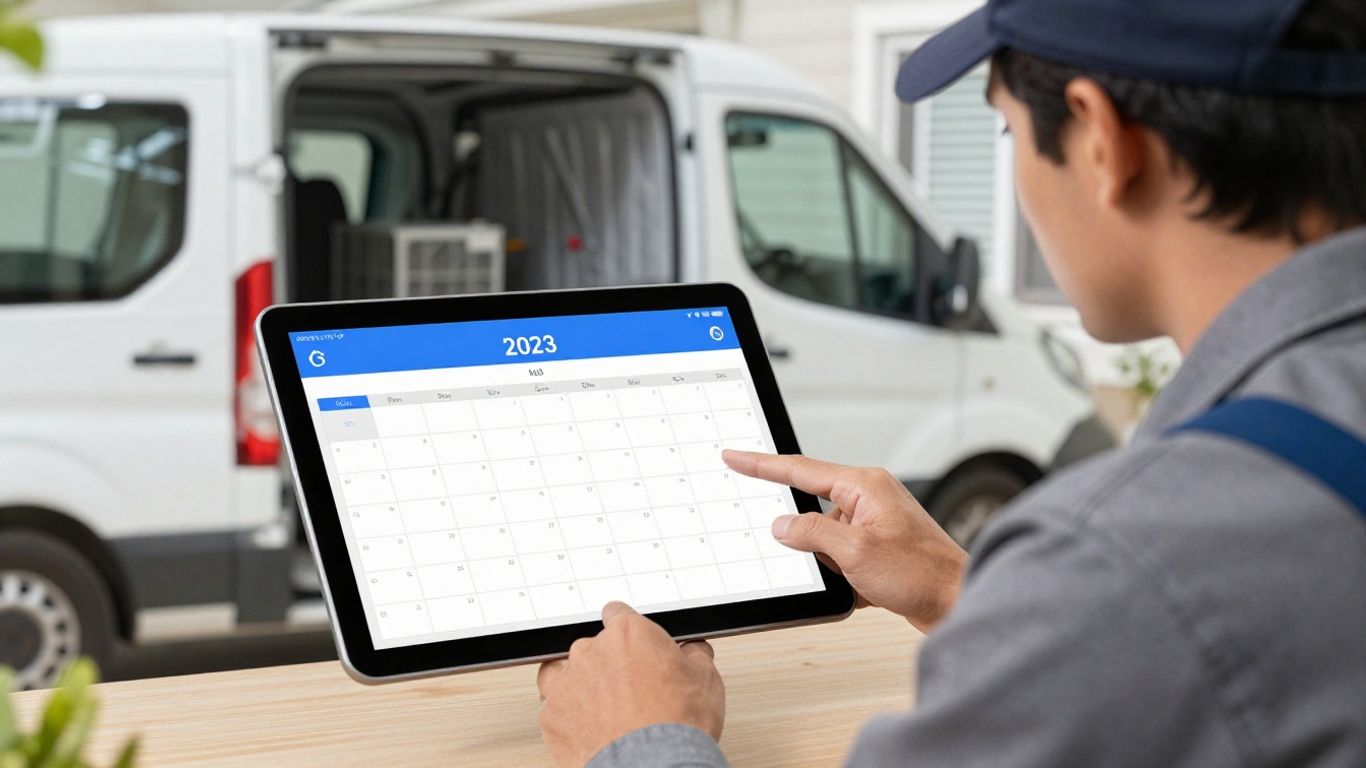
Running an HVAC business means juggling a lot of moving parts. We all know how quickly things can get chaotic if the schedule isn’t managed properly. Trying to keep track of service calls, installations, and routine maintenance appointments manually is a recipe for missed opportunities and frustrated customers. This is where implementing good scheduling software becomes a real game-changer for us.
Optimizing Technician Routes for Maximum Efficiency
Think about your technicians out on the road. If their routes aren’t planned efficiently, they’re spending valuable time stuck in traffic, burning fuel, and getting paid for downtime. It’s a drain on resources and can lead to burnout. Good HVAC scheduling software can map out the most efficient routes, considering traffic, job duration, and even technician skill sets. This means fewer miles driven, less fuel used, and more jobs completed in a single day. It’s about working smarter, not just harder, and it directly impacts our bottom line.
Automating Appointment Scheduling for Reduced Errors
Manual scheduling is a breeding ground for mistakes. Double bookings, forgotten appointments, or assigning the wrong technician to a job can happen all too easily when you’re relying on spreadsheets or sticky notes. Software automates this process, significantly reducing errors. It helps us:
- Prevent double bookings with real-time calendar visibility.
- Automatically assign jobs based on technician availability and skills.
- Send automated confirmations and reminders to both customers and technicians.
This automation frees up our administrative staff and reduces the chances of costly mistakes.
Visualizing Schedules for Better Resource Management
Having a clear, visual overview of our entire schedule is incredibly helpful. Instead of digging through multiple lists or calendars, we can see at a glance who is working where and when. This visual approach allows us to:
- Quickly identify technician availability for urgent calls.
- Balance workloads across the team more effectively.
- Plan for upcoming installations and maintenance needs.
This kind of overview is key to making sure we’re using our resources – our people and their time – in the best way possible. It helps us stay organized and responsive, which is what our customers expect. Implementing this kind of field service scheduling software can really make a difference in how we operate day-to-day. Field service scheduling software can help us achieve this clarity.
Enhancing Customer Relationships Through Communication Tools
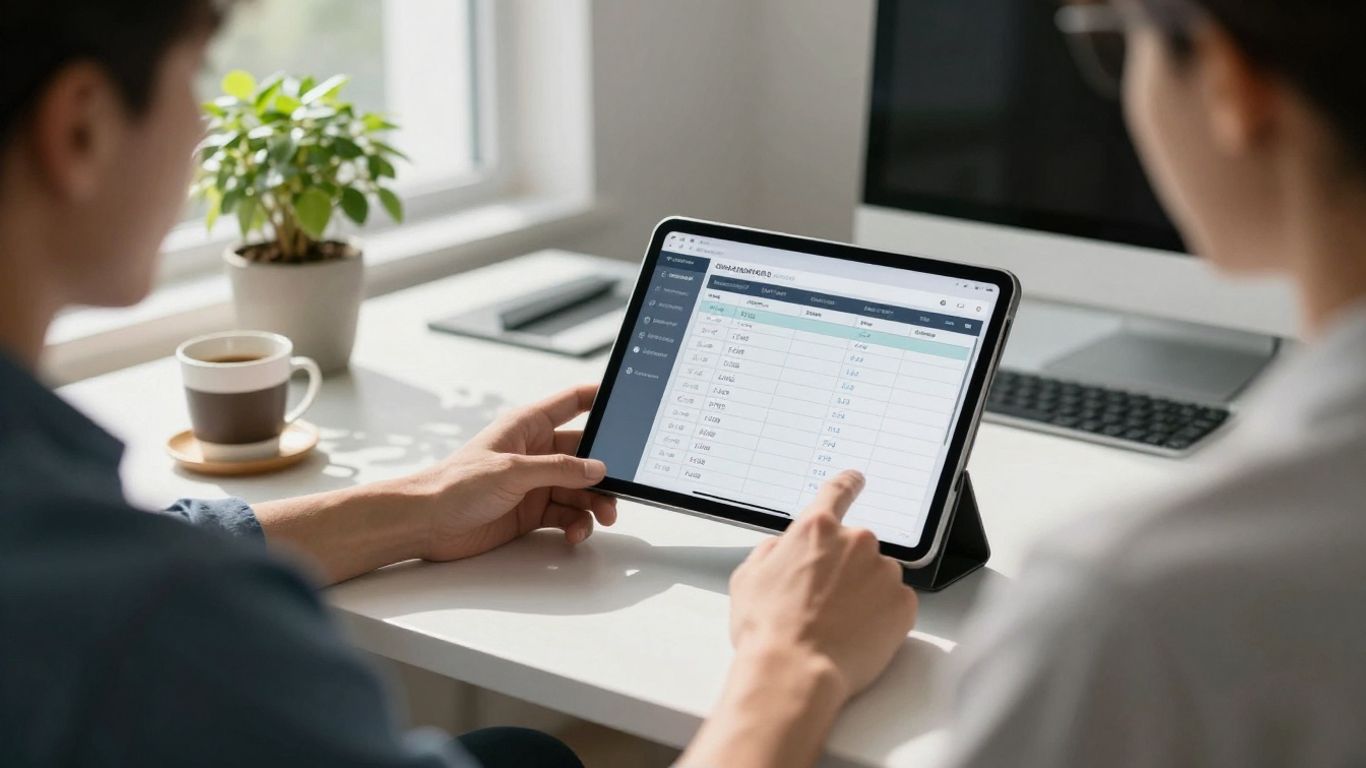
Keeping our customers happy is a big deal, right? It’s not just about fixing their AC or furnace; it’s about how we make them feel throughout the whole process. When we use the right software, we can actually make our customer interactions way better. Think about it: no more missed appointments or confusing messages. We can actually build stronger connections that keep people coming back.
Personalizing Service with Detailed Customer Profiles
We all like to feel like we’re more than just a number. That’s where having detailed customer profiles comes in handy. Our scheduling software lets us keep all the important stuff in one place: contact info, past service history, what kind of equipment they have, and even little notes about their preferences. This means when a customer calls, we can pull up their info in seconds and know exactly what’s going on. It helps us offer advice that’s actually relevant to them, like reminding them it’s time for maintenance on the specific model they own. This level of personalized attention makes customers feel seen and valued. It’s not just about being efficient; it’s about showing we care.
Automating Appointment Reminders and Follow-Ups
Let’s be honest, life gets busy, and sometimes appointments slip our minds. Our scheduling software can send out automatic reminders to customers before their appointment. This cuts down on no-shows significantly, which saves us time and money. Plus, we can set up automated follow-ups after a job is done. A quick email asking how everything went or a reminder about their next scheduled maintenance can make a big difference. It shows we’re thinking about them even after we’ve left their home. We’ve seen a big drop in missed appointments since we started using these automated messages.
Improving Communication with Real-Time Updates
Nobody likes being left in the dark. Our software helps us keep customers in the loop every step of the way. When a technician is on their way, the system can send an alert with an estimated arrival time. If there’s a delay, we can send an update right away. This transparency builds trust and reduces those anxious calls asking, "Where are you?" It also helps our technicians communicate any issues or findings back to the office instantly, so everyone is on the same page. This kind of real-time connection makes the whole service experience smoother for everyone involved.
Keeping customers informed isn’t just good manners; it’s smart business. When people know what to expect, they feel more comfortable and confident in our services. This reduces stress for them and for us.
Here’s a quick look at how these tools help:
- Customer Profiles: Store contact details, service history, equipment info, and preferences.
- Automated Reminders: Reduce no-shows with timely appointment notifications.
- Follow-Up Messages: Check in after service to gather feedback and encourage repeat business.
- Real-Time Alerts: Keep customers informed about technician arrival times and any schedule changes.
By using these communication features, we’re not just managing appointments; we’re building better relationships with the people we serve. It’s about making them feel important and well-taken care of, which is good for them and great for our business. For more on how to manage customer interactions effectively, check out customer communication tools.
Managing Inventory for Seamless Service Delivery
Keeping track of all the parts and equipment we need for jobs can feel like a constant juggling act. It’s easy to end up with too much of one thing and not enough of another, which just wastes money and time. When our technicians show up to a job, they need to have the right parts with them, plain and simple.
Real-Time Tracking of Parts and Equipment
We used to rely on scribbled notes and spreadsheets, but that was a mess. Now, with the right software, we can see exactly what we have in stock, where it is, and how much we’ve used. This means no more guessing games or frantic calls to the warehouse. We can track parts from the moment they arrive until they’re installed in a customer’s home. This kind of visibility helps us avoid those frustrating moments where a job gets delayed because a crucial part is missing. It’s also great for knowing which parts are used most often, helping us plan better.
Optimizing Stock Levels to Prevent Shortages
Nobody likes a job delayed because we ran out of a common part. On the flip side, having too much inventory ties up cash that could be used elsewhere. Software helps us find that sweet spot. By looking at our past job data, we can predict what parts we’ll need and when. We can set up alerts for when stock gets low, so we can reorder before it becomes a problem. This means fewer emergency supply runs and more efficient use of our budget. It’s about having what we need, when we need it, without breaking the bank.
Integrating Inventory with Job Management
This is where things really come together. When a job is scheduled, the system can automatically check if the necessary parts are available. If they are, they can be assigned to the technician’s truck right from the schedule. If not, it flags it immediately, allowing us to get the parts ordered. This connection between inventory and the actual jobs we’re doing makes everything flow much smoother. It cuts down on errors and makes sure our technicians are prepared before they even leave the shop. For businesses looking to get a handle on their stock, solutions like ServiceTitan’s inventory software can be a real help.
Keeping a close eye on our inventory isn’t just about avoiding shortages; it’s about smart business. It means less money sitting on shelves and more money available for other important things, like training our team or upgrading our equipment. Plus, when we can complete jobs faster because we have the right parts, our customers are happier, and that leads to more business down the road.
Improving Dispatching for Efficient Job Assignment
When our schedules get hectic, dispatching can feel like a juggling act. We’re trying to get the right technician to the right job at the right time, and if we mess up, it costs us time, money, and can even upset customers. It’s easy for things to get chaotic with manual systems, leading to technicians driving all over town or showing up unprepared.
Assigning Technicians Based on Skills and Location
This is where scheduling software really shines. Instead of just picking the next available person, we can assign jobs based on who has the right skills for the task and who is closest to the customer’s location. This means less travel time and a better chance of fixing the problem on the first visit. We can see our team’s skills and where they are all in one place. It takes the guesswork out of assigning jobs, making sure the job gets done right the first time.
Real-Time Monitoring of Technician Progress
Knowing where our technicians are and what they’re working on is a big deal. With real-time tracking, we can see if a job is running late or if a technician is on their way to the next appointment. This helps us give customers accurate arrival times and lets us quickly adjust if something unexpected comes up. It’s like having a bird’s-eye view of our entire operation, which helps us manage expectations and keep things moving smoothly.
Adapting Schedules for Urgent Service Calls
Emergencies happen, and HVAC systems don’t always break during business hours. Our software lets us quickly find an available technician and reroute them to an urgent call, even if they’re already on their way to another job. We can see who’s closest and best suited to handle the emergency, minimizing downtime for the customer. This ability to adapt on the fly is key to providing great service when it’s needed most. It helps us respond faster and keep our customers comfortable, no matter what.
Dispatching isn’t just about sending people out; it’s about smart resource allocation. When we assign jobs based on skills and proximity, and can track progress in real-time, we reduce wasted time and fuel. This efficiency directly impacts our profitability and technician morale. Being able to quickly handle urgent calls without disrupting the entire day’s plan is a hallmark of good dispatching.
Streamlining Financial Processes with Integrated Software
Let’s be honest, managing the money side of an HVAC business can feel like a constant uphill battle. We’re talking about everything from creating estimates that customers actually understand, to sending out invoices, and then, the big one, actually getting paid. If this part of the operation feels clunky or slow, it can really hold back our growth. That’s where bringing our financial processes into our scheduling software makes a huge difference.
Generating Estimates and Invoices Quickly
Gone are the days of scribbling estimates on notepads or trying to piece together invoices from scattered notes. With integrated software, we can whip up professional-looking estimates right from the field or the office. This means we can present clear, detailed quotes to our customers on the spot, which often helps them make a quicker decision. Once the job is done, turning that estimate into an invoice is just a few clicks away. This speeds up the whole billing cycle considerably.
- Create estimates based on service packages and inventory.
- Digitally send estimates and invoices to customers.
- Track estimate acceptance and invoice status in real-time.
When our estimates and invoices are linked directly to job details and inventory, we cut down on errors and make sure we’re billing accurately for every part and every minute spent.
Facilitating Faster Payment Collection
Getting paid promptly is key to keeping our business healthy. Integrated software often comes with features that make it easier for customers to pay us. Think about offering online payment options, like credit card or ACH transfers, directly through the invoice. We can also set up automated payment reminders, which gently nudge customers who might have forgotten, saving us the awkwardness of chasing payments. This not only improves our cash flow but also makes the payment process smoother for our clients.
- Accept payments via credit card or bank transfer.
- Automate payment reminders to reduce overdue invoices.
- View payment history and status easily within the system.
We’ve found that when we make it simple for customers to pay, they tend to do it faster. It’s a win-win situation. This kind of efficiency is why many businesses look into field service management software.
Automating Recurring Billing for Maintenance Plans
Many of our customers sign up for regular maintenance plans. Manually invoicing these every month or quarter is a tedious task that’s prone to mistakes. Scheduling software can automate this process entirely. We can set up recurring invoices for these plans, and the system will automatically generate and send them out on the schedule we define. This means consistent income without the administrative headache, and our customers appreciate the reliability of never missing a scheduled service or payment.
- Set up recurring billing for maintenance agreements.
- Automatically generate and send invoices on a set schedule.
- Easily manage and update recurring service plans.
By integrating our financial tasks with our scheduling and job management, we free up so much time. This allows us to focus more on providing great service and less on the paperwork that can bog us down. It’s about making our business run smarter, not just harder, and streamlining your billing cycle is a big part of that.
Leveraging HVAC Scheduling Software for Business Growth
Reducing Administrative Burden and Costs
When we first started out, it felt like half our day was spent just trying to keep track of everything. Paperwork piled up, phone calls were constant, and honestly, it was exhausting. Implementing scheduling software has been a total game-changer for us. It automates so many of those tedious tasks, like scheduling appointments, sending out reminders, and even generating invoices. This means less time spent on administrative headaches and more time focusing on what we do best – serving our customers. We’ve found that by cutting down on manual data entry and reducing errors, we’ve significantly lowered our operational costs. It’s like having an extra team member who never gets tired and never makes mistakes.
Increasing Technician Productivity and Job Completion Rates
Our technicians are the backbone of our business, and making sure they can do their jobs efficiently is key. With good scheduling software, we can optimize their routes, so they’re not wasting precious time driving across town. The software helps us assign jobs based on skills and location, making sure the right person is at the right place at the right time. We can also track their progress in real-time, which helps us manage unexpected issues and keep the day running smoothly. This focus on efficiency means our technicians complete more jobs each day, leading to higher productivity and better use of our resources. It also helps prevent burnout because their schedules are more manageable and less chaotic.
Boosting Customer Satisfaction and Retention
Happy customers are repeat customers, and that’s what really grows a business. Scheduling software helps us provide a much better customer experience. We can send automated appointment reminders, so no one forgets a service call. Plus, with real-time updates, customers know exactly when to expect their technician. Having detailed customer profiles means we can personalize their service, remembering past issues or preferences. This level of attention makes customers feel valued and understood. It’s not just about fixing their AC; it’s about building trust and a relationship. We’ve seen a noticeable increase in positive feedback and repeat business since we started using our scheduling system. It’s a simple way to make a big impact on how customers see us.
Investing in HVAC scheduling software isn’t just about making your own life easier; it’s about building a more reliable, efficient, and customer-focused business. The time and money saved on administrative tasks, coupled with the increased productivity of your field team, directly contribute to a healthier bottom line. Furthermore, the improved communication and personalized service you can offer will keep your customers coming back, which is the ultimate goal for any growing business.
Here’s a quick look at how it all adds up:
- Reduced Admin Time: Automating tasks frees up office staff.
- Optimized Field Operations: Efficient routing and job assignment mean more jobs completed.
- Improved Customer Experience: Reminders, updates, and personalized service lead to happier clients.
- Data-Driven Decisions: Reports provide insights into performance and areas for improvement.
We found that by using HVAC business software, we could streamline our operations significantly. This allowed us to take on more work without feeling overwhelmed and, most importantly, keep our customers happy with consistent, reliable service. It’s truly a win-win situation for everyone involved.
Wrapping It All Up
So, we’ve talked a lot about how scheduling software can really change things for your HVAC business. It’s not just about making appointments; it’s about making your whole operation run smoother. From making sure your technicians are where they need to be, to keeping track of parts, and even making sure customers are happy, this kind of tool helps us out a ton. We know it can seem like a big step to switch things up, but honestly, the time and headaches we’ve saved have been worth it. We think giving this kind of software a try is a smart move for any HVAC company looking to get ahead.
Frequently Asked Questions
What exactly is HVAC scheduling software?
Think of HVAC scheduling software as a super-smart assistant for our business. It helps us keep all our appointments, service calls, and installations organized. Instead of juggling messy paper schedules or confusing spreadsheets, this software lets us see everything clearly, assign the right technicians, and make sure no job gets forgotten. It’s all about making our work run smoothly and efficiently.
How does this software help us manage our technicians better?
It’s a game-changer for our team! The software helps us plan the most efficient routes for our technicians, so they spend less time driving and more time fixing things. It also allows us to see where everyone is in real-time, which is super helpful if an urgent job comes up or if there’s a delay. Plus, we can assign jobs based on who has the right skills and is closest to the location, making sure the right person is always on the right job.
Can this software really help us communicate better with our customers?
Absolutely! We can use it to send automatic reminders for appointments, so nobody forgets. It also helps us keep detailed notes about each customer and their home, which means we can offer more personalized service. Knowing their history helps us serve them better and faster. We can even send updates so they know when to expect us, which builds trust.
How does the software help us keep track of parts and supplies?
Keeping track of all our parts and equipment can be tricky, but this software makes it way easier. It gives us a real-time look at what we have in stock. This means we’re less likely to run out of a crucial part in the middle of a job, which would mean a frustrating return trip for our technicians. It also helps us avoid having too much stuff sitting around, saving us money.
What about the financial side of things, like estimates and getting paid?
This software really speeds things up! We can create professional-looking estimates and invoices much faster, often right from our phones or tablets. This means we can send them to customers quickly and get paid sooner. For our regular maintenance customers, we can even set up automatic billing, which makes things super convenient for everyone and ensures we get paid on time, every time.
Will using this software actually help our business grow?
Definitely! By making our scheduling and dispatching more efficient, we can handle more jobs without feeling rushed. Better communication and personalized service mean happier customers, and happy customers tend to come back and recommend us to others. Plus, by cutting down on paperwork and wasted time, we save money and reduce stress for our whole team. All of this adds up to a stronger, more profitable business.