
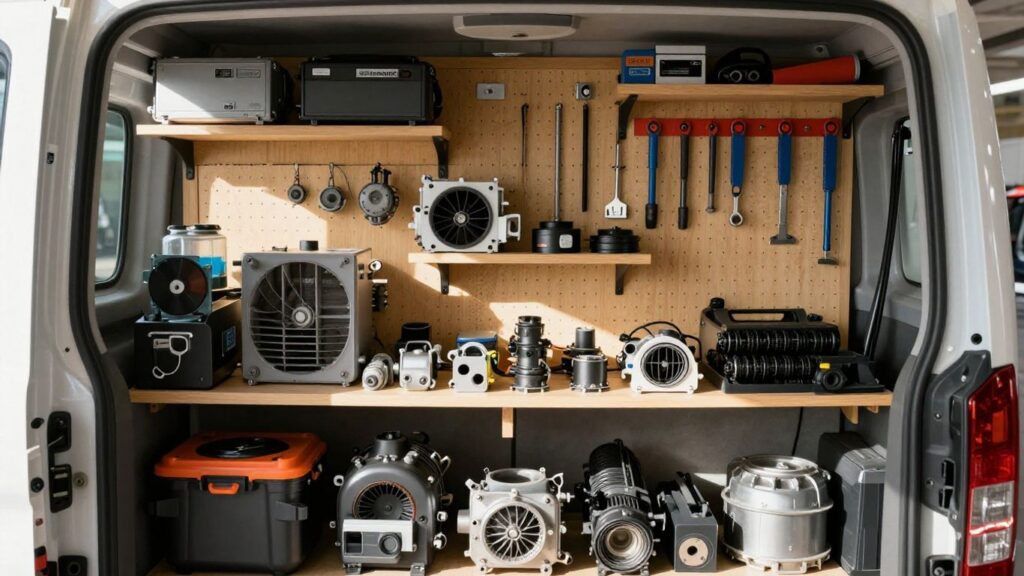
Running an HVAC business can feel like a constant juggling act, right? We’re always trying to make sure our technicians have the right parts, keep track of tools, and manage what’s on the trucks. It’s easy for things to get lost in the shuffle, leading to wasted time and money. That’s why we’ve been looking into how HVAC inventory software can really make a difference. It’s not just about counting boxes; it’s about making our whole operation run smoother.
Key Takeaways
- Using HVAC inventory software means we always know what parts and tools we have, cutting down on surprise shortages.
- Automated alerts tell us when stock is low, so we can reorder before we run out, preventing job delays.
- Better truck stock management means our technicians have what they need on the first visit, leading to happier customers.
- This kind of software helps us avoid overstocking and reduces waste, saving us money on inventory costs.
- Integrating inventory tracking with other business functions simplifies ordering and improves overall efficiency.
Streamlining HVAC Inventory Management
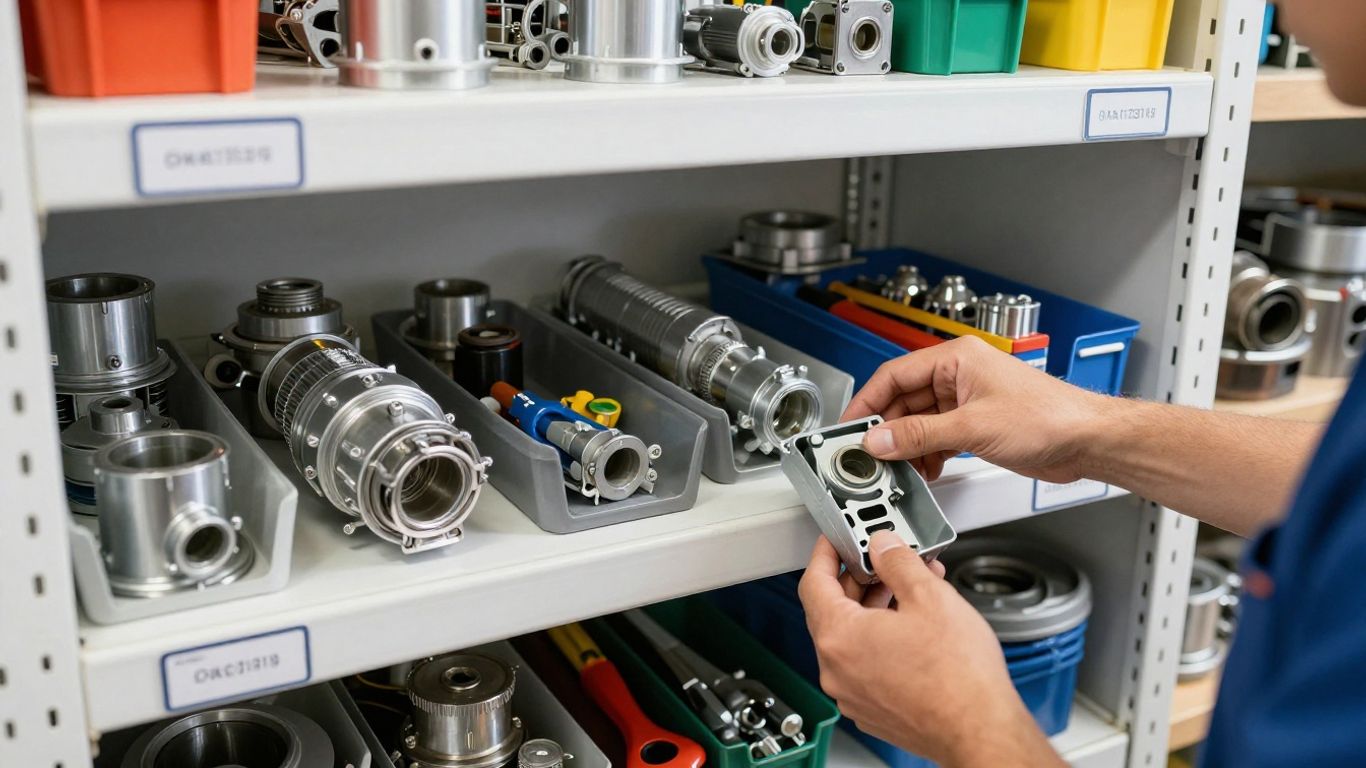
Keeping track of all the parts, tools, and supplies we need for HVAC jobs can feel like a constant battle. It’s easy to lose track of what’s in the shop, what’s on the truck, and what we’re running low on. This often leads to wasted time, missed appointments, and frustrated customers. But what if we told you there’s a way to make this whole process much simpler and more organized?
Real-Time Stock Level Tracking
Imagine always knowing exactly what you have on hand, down to the last screw. Real-time inventory tracking is a game-changer for our HVAC business. Instead of relying on guesswork or outdated spreadsheets, we can see our stock levels instantly. This means no more discovering we’re out of a critical part mid-job. We can check stock from our phones before heading to a customer’s house or even while we’re at the supply house. This visibility helps us make smarter decisions about what to order and when.
Automated Low-Stock Alerts
Running out of essential items is a major headache. With automated low-stock alerts, our inventory management software keeps us informed. When a part dips below a set quantity, the system sends us a notification. This proactive approach means we can reorder parts before they become a problem, preventing delays and keeping our technicians working. It’s like having a built-in reminder system that never forgets.
Optimizing Parts and Tool Availability
Knowing what we have and what we need is only half the battle. The real win comes from making sure those parts and tools are available when and where they’re needed. This means having the right items stocked in the right quantities, whether that’s at our main warehouse or in our service vehicles. By having a clear picture of our inventory, we can better plan our purchasing and ensure our teams aren’t held up waiting for supplies. This kind of organization helps us get more done each day and keeps our customers happy. For businesses looking to integrate their inventory with other operations, exploring options that connect with supplier catalogs can be a smart move.
Enhancing Technician Efficiency with Truck Stock Management
We all know that a technician showing up to a job without the right part is a major setback. It’s not just frustrating for them; it means delays, unhappy customers, and lost time. That’s where really getting a handle on truck stock management comes in. It’s about making sure our guys and gals out in the field have exactly what they need, right when they need it.
Ensuring Technicians Have Necessary Parts
Think about it: our technicians are the face of our company when they’re at a customer’s home. If they have to tell someone, "Sorry, I don’t have the part for that," it doesn’t look good. Software that tracks what’s supposed to be in each truck, and what’s actually there, makes a huge difference. We can set up minimum and maximum quantities for common parts on each vehicle. This way, when a tech checks their inventory, they know they’re stocked up for typical service calls. It’s about proactive stocking, not just reacting when something’s missing.
Reducing Return Trips for Parts
Every time a technician has to drive back to the shop or to a supplier for a part they forgot or ran out of, that’s time and money down the drain. It’s also time they aren’t spending on the next paying job. Smart truck stock management means fewer "I forgot" moments. By having real-time visibility into what’s on each truck, we can make sure they’re loaded correctly before they even leave the shop. This cuts down on those wasted trips significantly, which adds up fast over a week or a month. It also means our technicians can focus on the repair, not on a scavenger hunt for parts.
Improving First-Time Fix Rates
Ultimately, all of this boils down to getting the job done right the first time. When technicians have the right parts and tools readily available in their trucks, they can complete repairs on the spot. This boosts our first-time fix rate, which is a big deal for customer satisfaction. Nobody wants a follow-up visit for the same problem. Better truck stock means happier customers, fewer callbacks, and a more efficient operation overall. It’s a win-win for everyone involved.
Managing what’s on each service vehicle isn’t just about keeping parts organized; it’s a direct investment in our team’s productivity and our customer’s trust. When our technicians are prepared, they perform better, and that reflects positively on the entire business.
Here’s a quick look at how we can track truck stock:
- Initial Stocking: Setting up each truck with a baseline inventory of common parts and tools.
- Usage Tracking: Technicians logging parts used during a job, updating the truck’s inventory automatically.
- Restocking: Generating alerts for low stock and creating pick lists for efficient restocking at the shop.
- Tool Management: Keeping track of specialized tools assigned to specific trucks or technicians.
The Benefits of HVAC Inventory Software
When we first started out, keeping track of every single screw, wire, and thermostat felt like a full-time job in itself. Spreadsheets got messy, parts went missing, and sometimes we’d order things we already had way too much of. It was a constant headache that took away from actually doing the work we were hired for. But honestly, implementing dedicated HVAC inventory management software has been a total game-changer for us. It’s not just about having a list; it’s about making our business run smoother and, frankly, making us more money.
Reducing Waste and Overstocking
One of the biggest wins we’ve seen is cutting down on wasted parts and money tied up in inventory. Before, it was easy to guess what we needed, leading to piles of unused items or, worse, realizing we were short on something critical mid-job. Now, with real-time tracking, we know exactly what we have and what we’re running low on. This means we only order what’s necessary, preventing those costly overstock situations. It’s like having a clear picture instead of just guessing in the dark.
- Accurate Stock Counts: We always know precisely how many of each item we have.
- Reduced Spoilage/Obsolescence: Less chance of parts expiring or becoming outdated before we can use them.
- Optimized Storage Space: We’re not filling up our shop or trucks with stuff we don’t need right away.
We used to spend so much time doing manual inventory counts, often finding discrepancies that led to wasted trips to the supply house. Now, the software does the heavy lifting, giving us accurate data so we can make smarter purchasing decisions and avoid having cash sitting on shelves.
Saving Money on Inventory Costs
This ties directly into reducing waste. When we’re not overbuying, we’re not spending money we don’t need to. Plus, many software systems can help us identify which parts are used most frequently, allowing us to negotiate better prices with suppliers based on our purchasing volume. We’ve noticed a significant drop in our overall inventory expenses since we started using this system. It’s not just about saving a few bucks here and there; it adds up to a substantial amount over the year. We’ve seen our inventory costs decrease by about 10% or more, which is huge for our bottom line. Save money on inventory.
Boosting Profitability Through Efficiency
Ultimately, all these improvements lead to better profitability. When our technicians aren’t wasting time looking for parts, making extra trips, or dealing with stockouts, they can complete more jobs in a day. This increased efficiency means more revenue. Furthermore, by having the right parts on hand, we improve our first-time fix rates, leading to happier customers who are more likely to call us again and recommend us to others. Happy customers mean repeat business, and that’s where the real profit is. It’s a cycle: better inventory management leads to better service, which leads to more business.
Integrating Inventory with Other Business Functions
We’ve talked a lot about tracking parts and tools, but what happens after you’ve got that sorted? The real magic happens when your inventory system starts talking to the other parts of your business. It’s not just about knowing what’s in the truck or the warehouse; it’s about making that information work for you across the board.
Seamless Integration with Existing Systems
Think about your current setup. You probably have accounting software, maybe a customer relationship management (CRM) tool, and perhaps even a system for scheduling. When your inventory software can connect with these, it’s a game-changer. For instance, when a technician uses a part for a job, that information can automatically update your inventory levels and flag the part for billing on the customer’s invoice. This cuts down on manual data entry, which we all know is a huge time sink and prone to errors. It means less time spent reconciling spreadsheets and more time focusing on actual work. We’ve found that when our inventory data flows smoothly into our accounting software like QuickBooks, it saves us hours each week and makes financial reporting so much cleaner.
Connecting with Supplier Catalogs
Ordering parts can be a hassle. You’re trying to find the right part number, check prices, and figure out lead times. When your inventory software can link directly to your suppliers’ catalogs, it simplifies this whole process. You can see real-time pricing and availability without leaving your system. This means you’re not guessing if a part is in stock or how much it will cost. It helps us make quicker, more informed purchasing decisions, and reduces the chance of ordering the wrong thing.
Streamlining Purchase Order Creation
Once you know what you need, creating a purchase order (PO) is the next step. Good inventory software can automate a lot of this. When a part hits its low-stock alert, the system can automatically generate a draft PO for you. You just need to review it, add any other items you need, and send it off. This is way better than manually creating POs from scratch every time. It helps us avoid those frantic last-minute orders and keeps our stock levels consistent. It’s a simple step, but it makes a big difference in keeping the workflow smooth.
Integrating your inventory management isn’t just about having a digital list; it’s about creating a connected ecosystem where information flows freely, reducing manual work and improving accuracy across all departments. This interconnectedness is what truly drives efficiency and profitability in our operations.
Choosing the Right HVAC Inventory Software
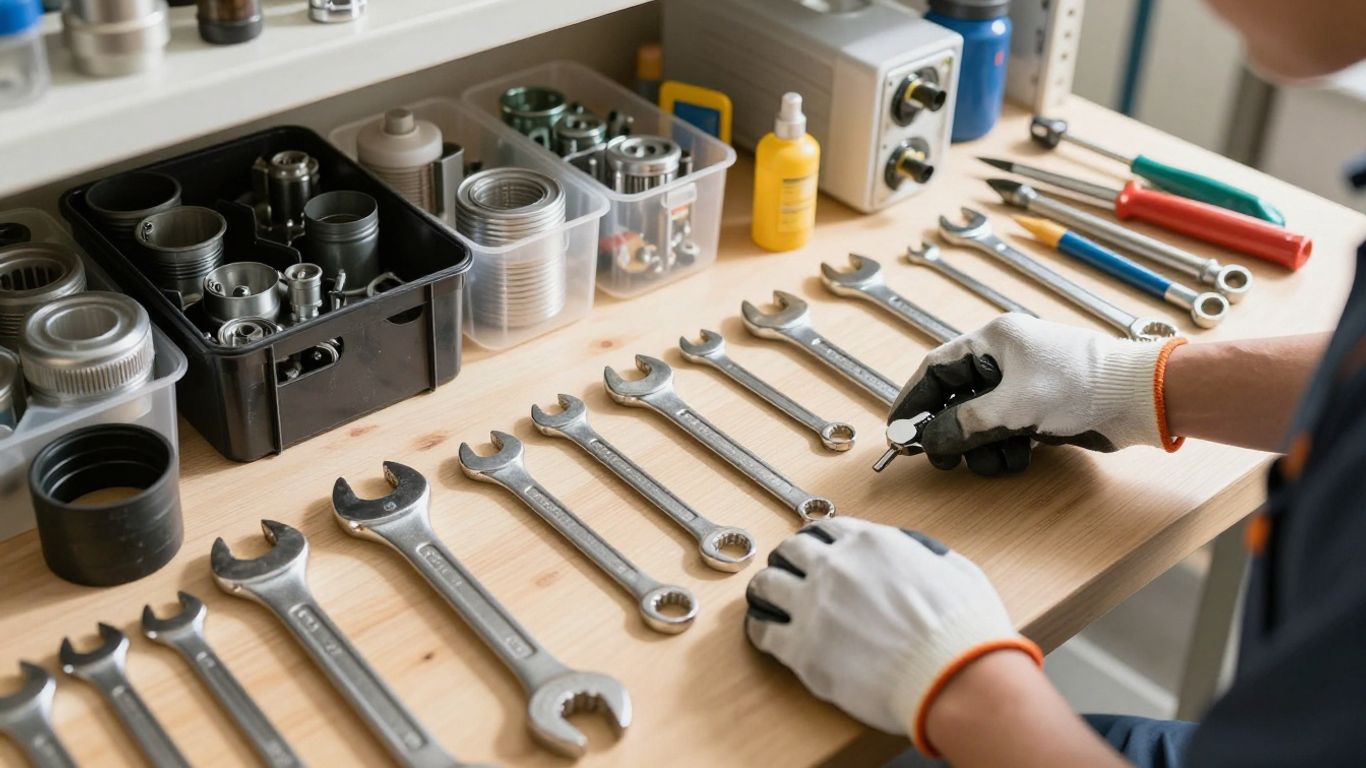
So, we’ve talked about why tracking parts, tools, and truck stock is a big deal for our HVAC businesses. Now, the million-dollar question: how do we pick the right software to actually make this happen? It can feel a bit overwhelming with all the options out there, but let’s break down what we should be looking for.
Key Features for Effective Inventory Tracking
When we’re shopping around, we need to make sure the software can actually do the job. It’s not just about having a fancy app; it’s about features that make our lives easier and our businesses run smoother. We want to see things like:
- Real-time stock level tracking: This is non-negotiable. We need to know exactly what we have, where it is, and how much of it. No more guessing games or digging through old lists.
- Automated low-stock alerts: This is a lifesaver. Getting a heads-up before we run out of a critical part means fewer delayed jobs and happier customers. It’s like having a little assistant watching our stock 24/7.
- Mobile access for technicians: Our field teams need to be able to update inventory, check stock, and even request parts right from their trucks. This cuts down on errors and speeds things up.
- Integration with supplier catalogs: Some software can connect directly to our suppliers. This makes ordering new stock way simpler and helps us avoid those last-minute scrambles.
We’ve all been there, right? That moment you realize you’re missing a key component for a job that’s happening now. It’s frustrating, costs us time, and makes us look unprepared. Good inventory software stops this before it starts.
Scalability for Growing Businesses
Our businesses aren’t static, and neither should our software be. If we’re planning to grow, or even if we’re just experiencing seasonal busy periods, our inventory management system needs to keep up. We don’t want to invest in something that we’ll outgrow in a year. Look for software that can handle:
- Increasing numbers of parts and SKUs: As we take on more types of jobs or expand our service offerings, our inventory list will grow. The software should handle this without slowing down.
- Multiple truck stocks and warehouse locations: If we have more than one service vehicle or a central storage area, the software needs to track inventory across all these locations. This is key for knowing what’s available company-wide.
- More users and technicians: As our team expands, more people will need access to the system. The software should support adding new users easily without a huge jump in cost or complexity.
Cloud-Based Accessibility for Field and Office
This is a big one for us. We need to be able to access our inventory information from anywhere, whether we’re in the office, on a job site, or even working from home. Cloud-based software means:
- Real-time data access: Everyone is looking at the same, up-to-date information. No more outdated spreadsheets or conflicting reports.
- Accessibility on any device: Technicians can use their tablets or phones, office staff can use their computers, and we can all stay connected.
- Automatic updates and backups: We don’t have to worry about manual updates or losing data. The provider handles that, which is a huge relief.
Choosing the right software is an investment, but it’s one that pays off big time in saved time, reduced waste, and happier customers. It’s about making our operations more efficient so we can focus on what we do best: keeping our clients comfortable.
Wrapping It Up
So, we’ve talked a lot about how keeping track of parts, tools, and what’s in the truck can be a real headache. It’s easy to get bogged down in spreadsheets or just guess what you need. But we’ve seen how using the right software can totally change that. It means less time scrambling for a part and more time actually getting the job done right. When we started using this kind of system, it felt like a weight was lifted. We weren’t constantly worried about running out of something important, and our techs had what they needed. It just makes everything run smoother, and honestly, it saves us money and keeps our customers happier. If you’re still wrestling with inventory the old-fashioned way, it might be time to look into what these tools can do for your business. It’s a smart move for sure.
Frequently Asked Questions
What exactly is HVAC inventory management software?
It’s a digital tool that helps us keep track of all the parts, tools, and supplies we need for our HVAC jobs. Think of it like a super-smart list that tells us exactly what we have, where it is, and when we’re running low on something important.
How does this software help our technicians in the field?
Our technicians can access real-time information about parts and tools right from their trucks or job sites. This means they’re less likely to be missing a crucial item, which helps them finish jobs faster and avoids extra trips back to the shop.
Can this software help us avoid running out of parts?
Absolutely! The software can automatically alert us when our stock levels get low for certain items. This gives us plenty of time to reorder before we’re in a bind, ensuring we always have what we need for our customers.
Does it help us save money?
Yes, it does! By tracking inventory accurately, we can avoid buying too much of something (overstocking) or too little. This means less money tied up in parts we don’t need right away and less waste, ultimately saving us money and boosting our profits.
Can we use this software if we have multiple service trucks or a warehouse?
Definitely. Most of these systems are designed to handle inventory across different locations, whether it’s multiple trucks or a central warehouse. We can see our stock levels everywhere, making it easier to manage everything efficiently.
How does this software connect with our suppliers?
Many systems can link directly with supplier catalogs, making it super simple to see prices and order new parts. Some can even help us create purchase orders automatically, saving us a lot of time and reducing the chance of errors.