
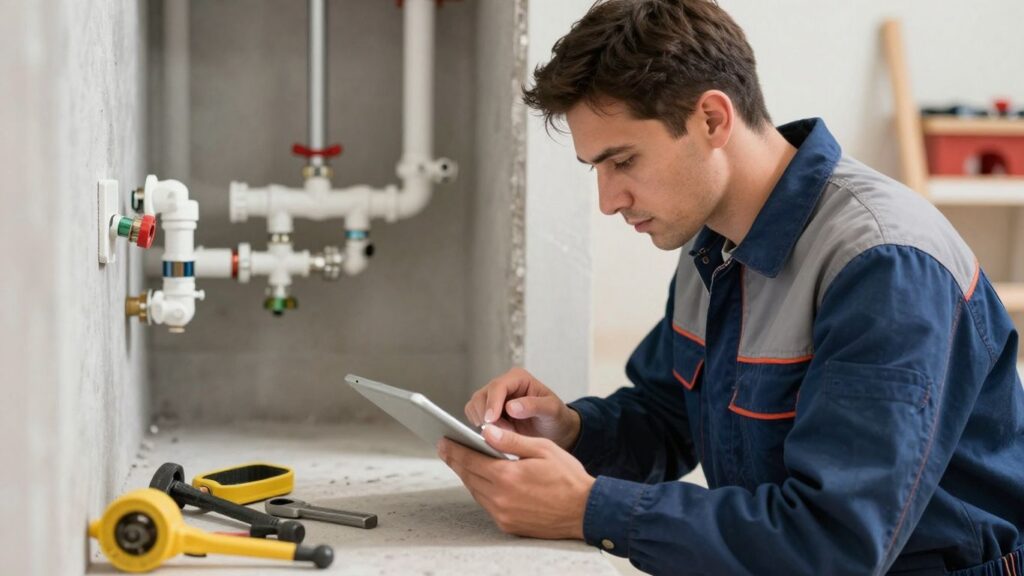
For small plumbing contractors, getting estimates right is a big deal. It’s not just about knowing how much pipes and fixtures cost; it’s about making sure you’re not losing money on labor or missing out on jobs because your bid is too high. That’s where plumbing estimate software comes in. Think of it as your digital assistant, helping you put together accurate bids faster and more reliably. We’ll look at what this kind of software can do for your business, why it’s probably time to ditch those spreadsheets, and what to look for when you’re ready to buy.
Key Takeaways
- Plumbing estimate software helps you create accurate bids quickly by automating calculations for materials and labor.
- Digital takeoff tools let you measure directly from plans, cutting down on errors and saving time.
- Look for software that includes up-to-date cost databases and customizable templates for professional-looking proposals.
- Mobile access is important so your team can create or adjust estimates while out in the field.
- Using plumbing estimate software can improve your profit margins and free up your time for other business tasks.
Understanding Plumbing Estimate Software
If you’re running a plumbing business, especially one that’s growing, you’ve probably felt the pressure of putting together accurate bids. It’s not just about knowing how to fix a leaky faucet; it’s about knowing how to price that fix, and all the other jobs, so you make money and keep customers happy. That’s where plumbing estimate software comes in. Think of it as your digital assistant for all things bidding and pricing.
Streamlining Takeoffs and Estimations
Remember spending hours with rolled-up blueprints, a ruler, and a calculator? Those days can be mostly behind you. Modern software lets you upload digital plans right into the system. Then, you can use digital tools to measure pipe lengths, count fixtures, and mark up areas directly on the screen. This process, called a digital takeoff, is way faster and less prone to the little errors that creep in when you’re doing it by hand. You assign materials and labor rates, and the software crunches the numbers. It’s a big step up from trying to keep track of everything on paper.
Enhancing Accuracy in Bidding
Accuracy is king when it comes to bids. If you bid too high, you won’t get the job. Bid too low, and you might end up losing money on the work. Plumbing estimate software helps by using up-to-date cost databases for materials and labor. Many programs let you customize these databases too, so you can plug in your specific supplier costs and labor rates. This means your estimates are based on real numbers, not guesswork. This level of precision is what separates a profitable bid from a costly mistake. It helps you present a professional and competitive offer every time.
The Role of Digital Plans and Blueprints
Gone are the days of needing a massive office space just to store project plans. With estimating software, you can upload digital versions of blueprints and schematics directly. This makes them accessible to anyone on your team, whether they’re in the office or out in the field. You can zoom in, add notes, and perform those digital takeoffs we talked about, all from your computer or tablet. It keeps everything organized and in one place, making it easier to collaborate and reference details as needed. This digital approach is a big part of why so many contractors are looking at plumbing estimating software to manage their projects.
Key Features for Plumbing Estimate Software
When you’re looking at plumbing estimate software, it’s not just about getting a number down. You want tools that actually make your life easier and your bids better. Think about what you do every day. You’re measuring, you’re pricing materials, you’re figuring out labor, and then you’re putting it all into a proposal that looks good. Good software helps with all of that, and then some.
Accurate Cost Databases and Customizable Templates
One of the biggest headaches is keeping track of prices. Plumbing estimate software usually comes with built-in lists of common materials, fixtures, and labor rates. These databases are updated regularly, so you’re not guessing what things cost. Even better, most let you tweak these lists to match what you actually pay in your area. This means your estimates are based on real numbers, not just averages. And when it comes to sending out those estimates, having a professional-looking template is a game-changer. Instead of starting from scratch every time, you can use pre-made layouts that look sharp and consistent. You can still add your own touches, of course, but it saves a ton of time and makes your business look more put-together. This can really help when you’re trying to win bids on new construction projects.
Integration Capabilities with Other Tools
Nobody works in a vacuum. You’re probably already using other software for accounting, managing jobs, or maybe even scheduling. The best plumbing estimating tools can talk to these other programs. This means you don’t have to type the same information over and over. For example, once an estimate is approved, the details can automatically go into your accounting software. This saves time and cuts down on mistakes that happen when you’re manually transferring data between different systems.
Mobile Accessibility for Field Operations
Plumbing work happens out in the field, not at a desk. So, having software that works on your phone or tablet is pretty important. If your technicians are on-site and can pull up plans, adjust an estimate, or even create a new one right there, it keeps things moving. No more waiting to get back to the office to make a simple change. It means faster responses to customers and less downtime. Just make sure the mobile app is easy to use and doesn’t crash all the time.
Trade-Specific Functionality for Plumbers
Generic estimating software might get you part of the way, but plumbing has its own quirks. Software built specifically for plumbers often includes things like pre-set
When to Upgrade to Plumbing Estimate Software
Look, if you’re still wrestling with spreadsheets or scribbled notes to figure out job costs, and your business is starting to get busy, it’s probably time for a change. Trying to keep track of multiple jobs, different crews, and all the materials needed can get messy fast. When your current system starts feeling like a tangled mess of pipes, that’s a big sign.
Signs Your Business Has Outgrown Spreadsheets
It’s easy to get comfortable with what you know, but sometimes, what worked yesterday just won’t cut it today. If any of these sound familiar, you’re likely leaving money on the table:
- You’re spending more time estimating than doing the actual plumbing work. If your days are filled with calculating material needs and labor hours instead of fixing leaks or installing systems, your process is inefficient.
- Mistakes are creeping into your bids. Maybe you’ve forgotten to add a certain fitting, miscalculated labor, or used outdated pricing. These errors can seriously hurt your profit.
- Your team isn’t quoting jobs consistently. Without a standardized system, different plumbers might price the same job very differently, leading to confusion for clients and lost opportunities for you.
Handling Increased Job Volume and Team Growth
As your business grows, so does the complexity. A solo operator might manage fine with a simple system, but once you have multiple crews out in the field, things change.
- More Jobs, More Problems: Juggling bids for five jobs a week is one thing; juggling ten or twenty is another. Spreadsheets become unwieldy, and it’s easy to lose track of details.
- Team Expansion: When you bring on new plumbers, they need a clear, consistent way to estimate. Software helps onboard them faster and ensures everyone is on the same page with pricing.
Bidding on Larger Commercial Projects
Commercial jobs and big residential remodels are where the real money can be, but they also demand a higher level of precision. These projects often have detailed specifications and require polished, professional proposals. A generic spreadsheet just doesn’t look the part and can’t handle the intricate cost breakdowns needed for these larger bids. You need a tool that can handle complexity and present your bid professionally.
Protecting Profit Margins with Accurate Pricing
This is a big one. Underbidding a job because you didn’t account for all the costs – materials, labor, overhead, even unexpected site conditions – means you’re essentially paying the client to do the work. Plumbing estimate software helps you build accurate cost databases and apply markups correctly, so you can be confident that every bid you win is actually profitable. It takes the guesswork out of pricing, which is vital for long-term business health.
Relying on outdated methods for estimating can lead to significant financial losses. As your business scales, the need for a more robust, accurate, and efficient system becomes not just beneficial, but necessary for survival and growth. Investing in the right software is an investment in your company’s future profitability and stability.
Implementing Plumbing Estimate Software Effectively
Rolling out plumbing estimate software across your business can be tricky, but doing it right can save time, money, and a whole lot of headache down the road. Here’s a breakdown of what it takes to make that transition smooth and practical.
Starting Small with Pilot Projects
Before you roll new software out to everyone, pick one or two upcoming projects as test cases. Use those jobs to figure out where people get stuck, what features actually matter, and how the software fits with your current process. This way, if something doesn’t work right, you can fix it before it affects the whole team.
- Select one commercial job and one service call for pilots.
- Create a feedback loop where users can report snags.
- Adjust default templates, pricing, and reports before a full rollout.
Sometimes, starting small helps people get comfortable, and it stops any major headaches from spreading across the whole shop.
Providing Comprehensive Team Training
Software is only as good as the folks using it. Comprehensive, practical training is worth the time—don’t skimp here. If your team isn’t shown how to use all of the features, nobody will use them consistently.
- Schedule in-person or virtual walk-throughs led by someone from the vendor.
- Decide who on your team will be the ‘go-to’ for questions.
- Make quick, specific “cheat sheets” for field techs and office staff.
Leveraging Templates for Professional Proposals
A big reason to upgrade from spreadsheets is to get proposals that look polished and consistent. Most plumbing estimating software includes templates that can be tweaked or branded for your business.
- Use existing templates at first, then add your company logo, change fonts, and adjust line items as needed.
- Standardize sections: scope, exclusions, pricing breakouts, and terms.
- Store your best templates for fast reuse.
Measuring ROI and Refining Processes
After a few months, it’s worth checking if the new system is saving time, cutting errors, and helping win more jobs. Compare data from before and after implementing the software.
| Metric | Before Software (monthly) | After Software (monthly) |
|---|---|---|
| Average Bid Time | 4 hours | 1.5 hours |
| Number of Bids Sent | 8 | 20 |
| Win Rate | 22% | 31% |
If you spot areas where things are still clunky, don’t be afraid to tweak the process or talk with the vendor about new features.
Adopting new software won’t fix every problem overnight, but staying patient, listening to your crew, and making steady improvements will lead to real results.
Choosing the Right Plumbing Estimate Software
So, you’ve decided it’s time to ditch the spreadsheets and get some real estimating software. That’s a smart move, but with so many options out there, picking the right one can feel like a maze. Don’t worry, we’ll break down how to find the software that actually fits your plumbing business.
Assessing Your Business Needs and Workflows
Before you even look at a single software demo, take a good, hard look at how your business actually runs. What kind of jobs do you do most often? Are you mostly residential service calls, or are you bidding on bigger commercial builds? How many people are on your estimating team, or is it just you?
Think about your current process. Where are the bottlenecks? Are you spending too much time on takeoffs? Is it hard to keep track of material costs? Knowing these pain points will help you find software that solves your specific problems, not just generic ones.
Here’s a quick way to think about it:
- Job Types: Residential, Commercial, New Construction, Remodels, Service Calls.
- Team Size: Solo operator, small crew (2-5), medium team (6-15), larger operation.
- Current Process: Manual takeoffs, spreadsheet estimates, existing software (and what it lacks).
- Biggest Time Sinks: Material pricing, labor calculations, proposal creation, bid tracking.
Evaluating Scalability and User Reviews
Your business isn’t going to stay the same size, right? You want software that can grow with you. Can it handle more complex projects as you take them on? Will it support more users if you hire more estimators? Look for software that offers different tiers or modules so you can add features as needed, rather than having to switch systems entirely down the road.
Don’t just take the vendor’s word for it. See what other plumbers are saying. Look for reviews on industry websites, forums, or even ask other contractors you trust. Pay attention to comments about ease of use, customer support quality, and how well the software performs in real-world, on-the-job scenarios. A few bad reviews about bugs or poor support can be a big red flag.
Considering Cost and Vendor Support
Software costs can vary a lot. Some charge a one-time fee, while others have monthly or annual subscriptions. Think about your budget, but also remember that the cheapest option might not be the best value if it doesn’t do what you need it to or if it requires a lot of workarounds.
The total cost of ownership includes not just the software price, but also the time spent learning it, potential integration costs, and any ongoing support fees. Always factor in the long-term value, not just the initial sticker price.
Also, consider the vendor’s support. When you hit a snag – and you will – how quickly can you get help? Is support available by phone, email, or chat? What are their support hours? Good support can save you a ton of headaches and lost productivity.
Requesting Demos and Trial Periods
This is probably the most important step. Don’t buy anything without seeing it in action. Most software vendors offer live demos. Use this time to ask specific questions about your workflows and see how the software handles them. Don’t be afraid to ask them to show you exactly how to do a takeoff for a common plumbing scenario you encounter.
Even better is a free trial period. This lets you get your hands on the software and test it with your own projects and data. It’s the best way to see if it truly fits your team’s needs and if everyone can actually use it without pulling their hair out. Give it a real test drive before committing.
Benefits of Plumbing Estimate Software for Growth
Using plumbing estimate software isn’t just about making bids; it’s about building a stronger, more profitable business. When you move beyond spreadsheets and manual calculations, you start to see real changes in how your company operates and grows.
Improving Speed and Accuracy in Bids
The faster you can get a solid bid out, the more jobs you can realistically pursue. Software automates a lot of the tedious work. Instead of spending hours measuring on paper plans and looking up prices, the system does it for you. Digital takeoffs from blueprints mean you’re not guessing quantities. This speed is a huge advantage, especially when you’re competing for work. Plus, accuracy goes way up. Fewer mistakes in material counts or labor time mean fewer surprises down the road and more predictable project costs. This accuracy builds trust with clients and protects your bottom line.
Standardizing Pricing Across Your Team
When everyone on your team uses the same software, they’re all working from the same playbook. This means consistent pricing, no matter who puts the bid together. It helps prevent situations where one plumber bids a job much lower than another for the same scope of work. This standardization is key for maintaining healthy profit margins and presenting a unified, professional image to potential clients. It also makes training new estimators much simpler because they learn a defined process.
Freeing Up Time for Business Development
Think about all the hours spent on estimating. What if you could get that time back? Plumbing software handles the heavy lifting of calculations, allowing you and your team to focus on other important things. This could mean spending more time on the job site, improving customer service, or actively seeking out new clients and larger projects. It shifts your focus from just doing the work to growing the business itself.
Gaining Insights Through Reporting and Analytics
Good estimating software doesn’t just spit out a price; it collects data. You can start to see trends in your bids, understand which types of jobs are most profitable, and identify where your costs are highest. This information is gold for making smart business decisions.
Here’s a look at what you might track:
- Bid Win Rate: How many bids are you actually winning?
- Average Project Profitability: Which jobs make you the most money?
- Material Cost Breakdown: Where is your material spending concentrated?
- Labor Hours per Job Type: Are your labor estimates realistic?
This kind of data helps you refine your pricing strategy, improve your efficiency, and ultimately, make your business more successful.
Wrapping Up
So, there you have it. Plumbing estimating software isn’t just some fancy tech gadget; it’s a real workhorse for small plumbing contractors looking to get ahead. Moving beyond those old spreadsheets can feel like a big step, but the payoff in saved time, fewer errors, and more accurate bids is huge. Whether you’re looking to speed up your takeoff process, create sharper proposals, or just get a better handle on your numbers, there’s a tool out there for you. Take some time to check out the options, try a demo or two, and find the software that fits your business best. It’s about making your bidding process smoother so you can focus on what you do best – plumbing.
Running a plumbing business today means balancing speed, accuracy, and profitability all at once. The right plumbing estimate software can help contractors reduce costly mistakes, respond to customers faster, and create professional proposals that build trust from the very first interaction. As projects become more complex and competition continues to grow, having a streamlined estimating process is no longer just a convenience — it’s a competitive advantage. For plumbing teams looking to simplify quoting, improve workflow efficiency, and keep projects moving smoothly from estimate to completion, solutions like Fieldbin can help bring your operations together in one place.
Frequently Asked Questions
What exactly is plumbing estimate software and how does it help?
Plumbing estimate software is like a super-smart calculator and organizer for plumbers. It helps you figure out how much materials and work will cost for a job really fast. Instead of guessing or using messy papers, it uses digital plans to measure things and has prices for pipes and faucets built-in. This means you can give customers a fair price quickly and accurately.
Can this software really make my bids more accurate?
Yes, it absolutely can! By using digital measurements from blueprints and having up-to-date prices for everything, the software cuts down on mistakes. This helps you avoid undercharging and losing money, or overcharging and losing the job. It makes sure your bids are just right.
Is it hard to switch from using spreadsheets to this software?
It might seem tricky at first, but most software is made to be easy to use. Think of it like learning a new video game. You start with the basics, and the software often has guides or videos to help you learn. It’s usually much faster and less confusing than trying to manage everything on a spreadsheet once your business gets bigger.
Do I need special computer skills to use this software?
Not really! Most plumbing estimate software is designed for contractors, not computer wizards. You’ll need to know how to use a computer or tablet, but the programs are usually pretty straightforward. Many even have apps you can use right on the job site, which are often very simple to operate.
What if I have a small plumbing business? Is this software still useful?
Definitely! Even small businesses can save a lot of time and avoid errors with this software. It helps you look more professional to customers with neat proposals. Plus, as your business grows, the software can grow with you, so you won’t have to switch again later.
How does this software help me make more money?
It helps in a few ways! First, by making your bids accurate, you protect your profit on each job. Second, it saves you so much time on estimating that you can focus on doing more jobs or finding new customers. It also helps you understand your costs better so you can price things smarter.