
Running an HVAC business means juggling a lot of things. You’re trying to keep track of appointments, make sure your technicians have the right parts, and get paid on time. It’s easy for things to slip through the cracks, especially when you’re using outdated systems or just too much paperwork. This article looks at some common issues HVAC businesses run into with their software and what you might be facing.
Key Takeaways
-
Scheduling and dispatching can be a headache, leading to wasted time and tired technicians if not handled well.
-
Communication gaps between the office and field staff, and with customers, cause confusion and delays.
-
Managing paperwork and data manually is time-consuming and risks losing important information.
-
Keeping track of inventory and parts can lead to frustrating return trips if not organized properly.
-
Slow financial processes, from quoting to getting paid, can really hurt a business’s ability to grow.
Inefficient Scheduling And Dispatching Issues
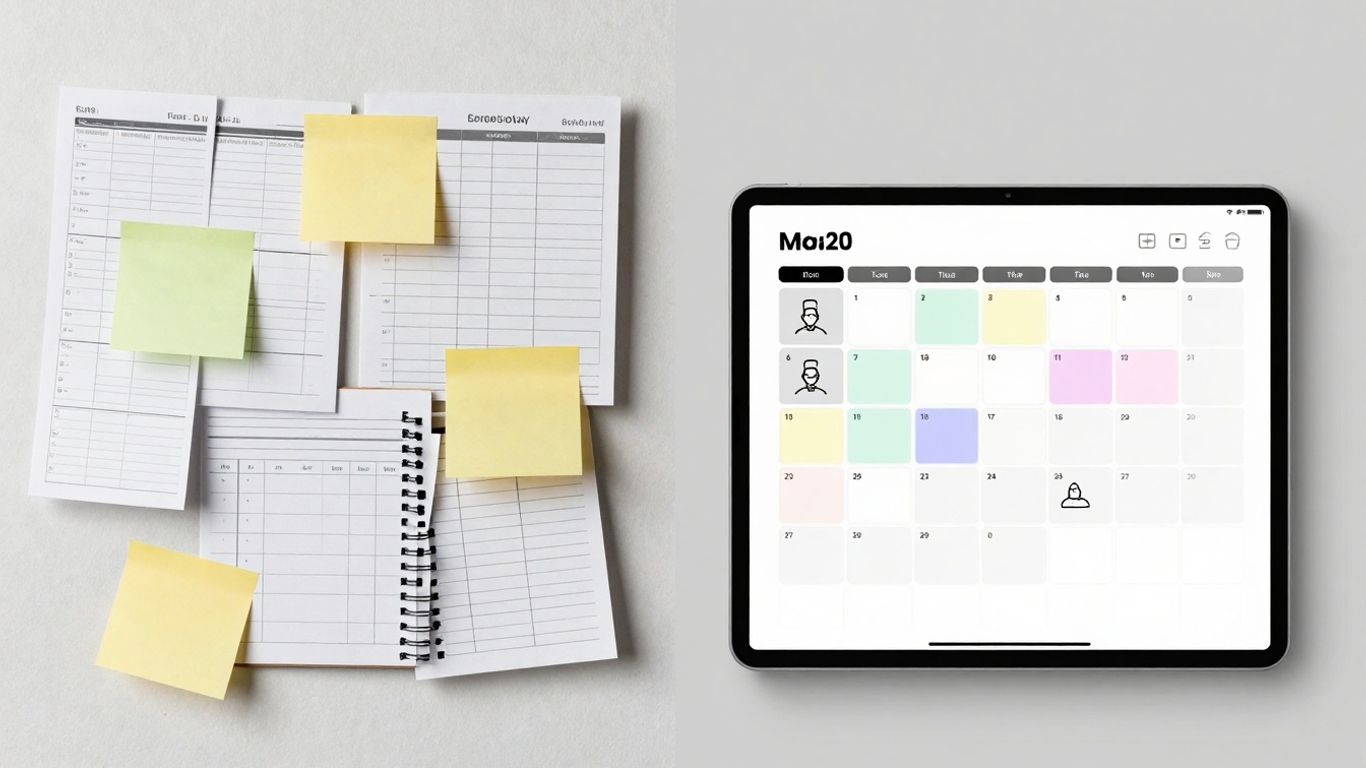
Let’s talk about scheduling and dispatching. It’s one of those areas where things can go sideways fast if you don’t have a solid system in place. Think about it: your technicians are out in the field, driving from one job to the next. If their routes aren’t planned well, they’re burning gas, wasting time, and frankly, getting paid to sit in traffic. This isn’t just annoying; it directly impacts your bottom line and can even lead to technicians feeling overworked.
Manual Scheduling Leading to Wasted Time
Trying to juggle appointments, technician availability, and customer needs by hand, or with a clunky spreadsheet, is a recipe for disaster. You end up with double bookings, techs driving across town for back-to-back appointments, and a general sense of chaos. This kind of disorganization is a major drain on resources. It means less time spent actually fixing things and more time spent on administrative headaches. Getting your scheduling right is key to making sure your team is productive.
Optimizing Routes for Technician Efficiency
This is where technology really shines. Good HVAC business software can help you map out the most efficient routes for your technicians. Instead of just sending them to the next closest job, it considers traffic, job duration, and even technician skill sets. This means fewer miles driven, less fuel consumed, and more jobs completed in a day. It’s about working smarter, not just harder. A well-planned route can make a big difference in your daily operations.
Avoiding Technician Burnout Through Smart Scheduling
Overbooking your team is a fast track to burnout. When technicians are constantly rushed, they can start making mistakes, skip important steps, or just feel completely drained. This leads to unhappy employees who might start looking for work elsewhere. Smart scheduling means giving your team realistic workloads, allowing for travel time, and even building in buffer time for unexpected issues. It’s about creating a sustainable work environment where your technicians can perform at their best without feeling overwhelmed.
When your scheduling is a mess, it doesn’t just affect the technicians. It impacts the office staff trying to manage it all, and most importantly, it affects the customer experience. A missed appointment or a technician who’s clearly rushed doesn’t leave a good impression.
Here are a few ways to improve scheduling:
-
Use visual calendars: See all your appointments and technician availability at a glance.
-
Automate scheduling: Let software suggest the best times and technicians based on job requirements and location.
-
Track technician location: Real-time GPS tracking helps dispatchers adjust schedules on the fly for emergencies or delays.
-
Consider job complexity: Don’t schedule a complex installation right after a quick service call without adequate time in between.
Communication Breakdowns In The Field And Office
It’s tough running an HVAC business when messages get lost between the office and the folks out in the field. This kind of disconnect can really mess things up, leading to missed details, unhappy customers, and a whole lot of wasted time. When your team isn’t on the same page, it’s like trying to play a game where half the players don’t know the rules.
Lack Of Real-Time Communication Hubs
Think about it: your office staff is fielding calls and booking appointments, while your technicians are on-site, dealing with AC units and furnaces. If there’s no central place for them to share information instantly, things fall through the cracks. A dispatcher might send a tech to a job, but forget to mention a crucial detail the customer shared, like a specific problem with the thermostat. The tech shows up unprepared, and suddenly, the job takes longer than it should. This is where having a solid HVAC CRM software can make a huge difference, giving everyone a single source of truth.
Ensuring Seamless Office-To-Technician Updates
When a customer calls with an urgent request or an existing appointment needs to be rescheduled, getting that information to the technician in the field quickly is key. Without a good system, this might involve a lot of phone tag or text messages that get buried. Imagine a tech driving across town, only to get a call from dispatch saying the job was moved up an hour – they might have already been on their way or even arrived at the wrong time. A system that allows for instant updates, like job notes or status changes visible on a mobile device, keeps everyone in sync. This means dispatchers can see where techs are and reassign tasks if needed, maybe due to traffic.
Improving Customer Communication With Automated Updates
Communication isn’t just about your internal team; it’s also about keeping the customer informed. When a customer knows when to expect their technician, and receives reminders, they feel more valued. Sending automated appointment confirmations and follow-up messages can significantly reduce no-shows and improve overall satisfaction. It also cuts down on the number of calls the office has to make just to confirm details. This proactive approach builds trust and makes customers more likely to call you back.
The constant back-and-forth, the missed calls, the ‘he said, she said’ – it all adds up to a less professional image and more headaches for everyone involved. A clear communication channel is more than just convenient; it’s a necessity for smooth operations.
Disorganized Paperwork And Data Management
Remember the days of overflowing filing cabinets and stacks of invoices on every desk? For many HVAC businesses, that’s still the reality. This mess isn’t just unsightly; it’s a major drain on time and resources. Keeping track of all those papers, work orders, and customer details manually is a recipe for disaster.
The Challenge Of Manual Paperwork
When your team relies on paper forms, things get lost. A technician might forget to hand over a completed work order, or an office staff member might misfile an important invoice. This leads to a constant scramble to find information, which slows down everything from billing to customer follow-up. It’s like trying to find a specific needle in a haystack, every single day.
Risks Associated With Lost Documents
Losing documents isn’t just an inconvenience; it can have serious consequences. Imagine misplacing a warranty claim form or a crucial customer signature. This can lead to disputes, lost revenue, and even legal trouble. Plus, without a clear record of services performed or parts used, it’s hard to track job profitability or identify trends. This lack of organized data makes it tough to make smart business decisions.
Streamlining Administrative Tasks With Digital Solutions
This is where modern HVAC business software really shines. Moving away from paper means embracing digital forms and centralized data storage. Technicians can fill out job details, capture signatures, and even attach photos directly from their mobile devices. This information then syncs instantly with the office, eliminating the need for manual data entry and reducing errors. It’s a much cleaner way to manage your business operations and keep all your important records in one accessible place. This kind of system can really help with scheduling software.
The shift to digital paperwork isn’t just about tidiness; it’s about building a more efficient and reliable business. When information flows freely and accurately between the field and the office, your team can focus on what they do best: serving customers and keeping homes comfortable. It reduces the chances of mistakes and makes sure everyone is working with the most up-to-date information.
Here are some benefits of going digital:
-
Reduced Errors: Less manual data entry means fewer mistakes in billing, scheduling, and customer records.
-
Improved Accessibility: All job details, invoices, and customer history are available instantly from anywhere.
-
Enhanced Security: Digital records are easier to back up and protect against loss or damage compared to paper.
-
Faster Processes: From quoting to invoicing, digital workflows speed up administrative tasks significantly.
Inventory And Parts Management Complications
Keeping track of all the nuts and bolts, pipes, and specialized components needed for HVAC jobs can feel like a full-time job in itself. Without a solid system, you’re likely running into a few common headaches.
Lack Of Visibility Into Stock Levels
This is a big one. If your technicians don’t know what parts are on the truck or back at the shop, they can’t possibly know what they need before heading out. This often leads to guesswork, and guesswork in inventory means you’re either overstocking (tying up cash) or understocking (causing delays).
-
Technicians showing up to a job without the right part. This is probably the most frustrating outcome. It means a second trip, more time spent driving, and a customer who’s not happy about the wait.
-
Overspending on parts you don’t actually need. When you don’t have a clear picture of what’s on hand, you might order more of something that’s already sitting in a bin.
-
Difficulty tracking costs associated with specific jobs. If you don’t know what parts went where, it’s hard to accurately bill or understand your profit margins.
Preventing Return Trips For Missing Items
Return trips are a killer for efficiency. Every time a technician has to drive back to the shop or a supply house for a forgotten part, that’s billable time lost. It also looks unprofessional to the customer. Imagine telling a homeowner, “Sorry, I have to come back tomorrow because I forgot a crucial valve.” Not ideal.
A disorganized inventory system doesn’t just affect your technicians; it directly impacts your bottom line through wasted labor and missed opportunities. Getting a handle on your parts is key to smoother operations.
Automating Reordering And Supplier Integration
Manually checking stock and placing orders is tedious and prone to error. When you’re busy, it’s easy to let inventory levels dip too low. Integrating your inventory management with your suppliers can automate the reordering process. This means parts are replenished before you even realize you’re running low. This kind of integration can be a game-changer for keeping your HVAC operations running smoothly and preventing those costly delays. It helps ensure you always have what you need, when you need it, without the constant manual oversight.
Slow Financial Processes And Cash Flow
When your business is constantly on the go, it’s easy for the money side of things to get a little messy. If you’re still relying on stacks of paper or clunky spreadsheets to handle your finances, you’re probably running into some serious slowdowns. This isn’t just about making things look neater; it directly impacts how much money actually comes into your business and how quickly.
Challenges With Manual Quoting
Creating quotes by hand or using basic templates takes a lot of time. You have to manually calculate costs, add labor, and then figure out markups. This process is not only slow but also prone to errors. A mistake in a quote can mean you undercharge for a job, eating into your profits, or overcharge and potentially lose a customer. Getting quotes out the door fast and accurately is key to winning more business. Many HVAC companies find that using specialized software for generating quotes speeds this up dramatically, allowing technicians to present professional estimates right on the spot.
Delays In Invoicing And Payment Collection
Once a job is done, the clock is ticking on getting paid. If your invoicing process is manual, it means someone in the office has to take all the job details, type them up, print or email the invoice, and then track down payments. This delay between finishing work and getting paid can really hurt your cash flow. Imagine having your team out working, but the money isn’t coming in because invoices are sitting on a desk. This is where automated invoicing and payment processing come in handy. Offering customers easy ways to pay, like online portals or mobile payment options, can make a huge difference.
Impact Of Slow Financials On Business Growth
Think about it: if money is tied up in unpaid invoices or lost in inefficient processes, you have less capital to invest back into your business. This could mean delaying equipment upgrades, putting off marketing campaigns, or even struggling to make payroll. Slow financial processes aren’t just an administrative headache; they can actively stunt your growth. A business that can’t get paid quickly is a business that can’t expand or adapt as easily.
Here’s a quick look at how manual processes can add up:
-
Time Spent on Quotes: Up to 30 minutes per quote.
-
Time Spent on Invoicing: Up to 15 minutes per invoice.
-
Payment Delays: Can extend collection times by 1-2 weeks or more.
-
Error Rate: Manual data entry can have error rates of 5-10%.
Relying on outdated methods for financial tasks means you’re leaving money on the table and slowing down your company’s ability to grow. It’s like trying to run a race with weights on your ankles. The right software can lift those weights, letting your business move faster and more efficiently towards its goals.
Poor Customer Experience And Retention

When your HVAC business isn’t running smoothly behind the scenes, it almost always shows up on the customer’s doorstep. Think about it: if your scheduling is a mess, or your technicians are constantly running late because they didn’t have the right parts, that’s not a great look. Customers notice these things, and it really impacts how they feel about your company. Happy customers come back and tell their friends, but unhappy ones? They just disappear and might even leave a bad review.
Systemizing Customer Satisfaction
Making sure every customer has a good experience isn’t just about being polite; it’s about having a system. This means training your team not just on fixing HVAC units, but on how to talk to people, how to explain what’s wrong, and how to leave a place cleaner than they found it. It’s about consistency. Every interaction should feel professional and helpful.
Here’s a quick look at what goes into making customers happy:
-
Professionalism: Technicians should arrive on time, in uniform, and be respectful of the customer’s home.
-
Clear Communication: Explaining the problem, the solution, and the cost upfront builds trust.
-
Quality Work: Fixing the issue right the first time avoids repeat calls and frustration.
-
Follow-Up: A quick check-in after the service shows you care about their satisfaction.
Automating Appointment Reminders and Follow-Ups
Nobody likes missing an appointment, whether it’s for a routine check-up or an emergency repair. Sending out reminders automatically can make a huge difference. It cuts down on no-shows, which saves your technicians time and your business money. Plus, it shows the customer you’re organized and considerate of their schedule. Automated follow-ups, like a quick email asking if everything is still running well, can also help build loyalty. It’s a simple step that can really make a customer feel valued and improve customer communication.
Providing Instant Digital Invoices and Payment Options
Remember the days of waiting for a paper invoice to arrive in the mail? Those days are mostly over. Offering digital invoices that can be sent right after the job is done, and providing easy ways to pay online or via mobile, makes things so much simpler for everyone. It speeds up your cash flow and makes it convenient for the customer. When people can pay quickly and easily, they’re more likely to do so promptly, which is good for your business’s financial health. This kind of modern convenience is what people expect these days.
The customer journey in the HVAC world is often stressful. They’re usually dealing with a broken system, discomfort, and unexpected costs. Your business has the power to either add to that stress or relieve it. By focusing on clear communication, reliable service, and easy administrative processes, you can turn a potentially negative experience into a positive one, building a loyal customer base.
Making these improvements isn’t just about being nice; it’s smart business. Happy customers stick around, spend more over time, and recommend you to others. It’s a win-win that helps your business grow and thrive, making it easier to choose the right HVAC software to manage these interactions.
Challenges With Software Implementation And Adoption
Bringing new software into your HVAC business can feel like trying to teach an old dog new tricks, and honestly, sometimes it feels that way for the team too. It’s not just about clicking buttons; it’s about changing how people work, and that’s never a simple flip of a switch. The real hurdle isn’t the software itself, but getting everyone on board and using it effectively.
The Learning Curve Of New Software
Think about it: your team has probably been doing things a certain way for years. Maybe they’re used to a paper ticket system, or a clunky old spreadsheet. Introducing a new, feature-rich software means they have to learn a whole new set of processes. This isn’t just about remembering where to find things; it’s about understanding how the software can actually make their jobs easier, not just add more steps. Some folks pick it up quickly, others need more time and patience. It’s a common sticking point that can slow down adoption if not handled with care.
Ensuring Team-Wide Training And Consistency
Getting everyone trained properly is key. You can’t just show a few people and expect the rest to figure it out. A disorganized training approach leads to inconsistent use, which defeats the purpose of having the software in the first place. Imagine one technician entering job notes one way, and another technician doing it completely differently. This creates data messes that are hard to sort out later.
Here’s a breakdown of what good training looks like:
-
Role-Specific Sessions: Tailor training to what each person actually does. Dispatchers need different training than field technicians or office administrators.
-
Hands-On Practice: Don’t just lecture. Let people actually use the software in a test environment to complete common tasks.
-
Ongoing Support: Training shouldn’t stop after the initial sessions. Have a go-to person or a clear process for questions that pop up later.
-
Quick Reference Guides: Create simple, easy-to-access cheat sheets for common tasks.
Phased Rollouts And Pilot Programs
Trying to switch everyone over to a new system all at once is a recipe for chaos. A smarter way to go about it is to start small. A pilot program, where a select group of technicians and office staff test the software first, can be a lifesaver. This lets you iron out the kinks and gather real feedback before you roll it out to the entire company. It’s like testing a new recipe on a few friends before serving it at a big party.
Implementing new software is a marathon, not a sprint. Rushing the process often leads to frustration, errors, and a general reluctance to adopt the new system. Taking the time to plan, train, and support your team through the transition will pay off in the long run with better efficiency and fewer headaches.
This approach allows you to:
-
Identify and fix bugs or usability issues.
-
Gather feedback from actual users on what’s working and what’s not.
-
Refine training materials based on real-world challenges.
-
Build internal champions who can help train and support their colleagues.
-
Gradually integrate the new system without disrupting daily operations too much.
Getting new software to work for your business can be tough. Sometimes, people find it hard to start using it, or they don’t use all its cool features. This is a common hurdle, but it doesn’t have to stop you from improving how you work. We can help you make the switch smooth and easy. Visit our website to learn how we help businesses like yours succeed with new tools.
Wrapping It Up
So, dealing with HVAC software issues can feel like a real headache, right? From scheduling mix-ups to paperwork piles, it’s easy to get bogged down. But remember, the right tools are out there. Picking software that actually fits how you work can make a huge difference. It means less time wrestling with tech problems and more time focusing on keeping your customers happy and your business running smoothly. Don’t let software woes hold you back; finding the right system is a big step toward a more organized and profitable future for your HVAC company.
Frequently Asked Questions
Why is scheduling HVAC jobs so tricky?
Scheduling can be tough because you have to figure out the best routes for your workers, make sure they have enough time for each job, and handle unexpected issues like emergencies. Doing this by hand takes a lot of time and can lead to mistakes, like sending someone on a long drive when they could have gone a shorter way, or booking too many jobs for one day, which tires out your team.
How can new software help my team talk to each other better?
Software can act like a central hub where everyone in the office and out in the field can share information instantly. This means no more missed calls or confusing text messages. Your team can get updates right away, and customers can even get automatic texts about when their technician will arrive, making things smoother for everyone.
What’s the big deal with paperwork in an HVAC business?
Paperwork can pile up fast with work orders, invoices, and customer info. Keeping track of all these papers is a headache, and they can easily get lost or damaged. Using digital tools helps keep everything organized and safe, making it much easier to find what you need and saving you from spending hours sorting through piles of paper.
How does software help with keeping track of parts?
When your team doesn’t know exactly what parts are in stock, they might show up to a job without the right one. This means they have to go back to the shop, wasting time and gas. Software can track your parts inventory, letting you know when you’re running low and even helping you order more automatically, so your technicians always have what they need.
Why do HVAC businesses sometimes have money problems?
Making quotes by hand can take a long time, and if you’re slow to send out bills or collect payments, your business doesn’t get paid quickly. This can make it hard to pay your bills or buy new equipment. Software can speed up making quotes and sending invoices, and even help you get paid faster, which keeps your business’s money flowing smoothly.
How can software make customers happier?
Happy customers are more likely to come back. Software can help by automatically sending appointment reminders so no one forgets. It can also let customers pay bills online easily and get digital copies of their invoices right away. When customers have a good experience, they’re more likely to recommend your business to others.