
Getting your bids right is a big deal for any HVAC business. If your numbers are off, you could lose out on jobs or even lose money on the ones you do get. Using spreadsheets or just doing it all by hand takes forever and is super easy to mess up. That’s where HVAC estimating software for small business comes in. The right program helps you figure out labor, materials, and your profit margin super accurately. It makes bidding way faster, takes the guesswork out, and gives you a real edge over the competition. Whether it’s a small home job or a big commercial gig, this kind of software makes sure your quotes are quick, look good, and make you money.
Key Takeaways
- Manual estimating is slow and prone to errors, which can cost your HVAC business money and lost bids. HVAC estimating software for small business automates these processes.
- Look for software that’s easy to use, lets you customize pricing and labor rates, and integrates with your other business tools.
- Cloud-based access and mobile functionality are important for creating and managing estimates from anywhere.
- The right software improves bid accuracy, boosts profitability, standardizes your proposals, and helps with job planning.
- Choosing HVAC-specific software over generic tools means access to industry-specific features like parts databases and load calculations.
Understanding The Need For HVAC Estimating Software Small Business
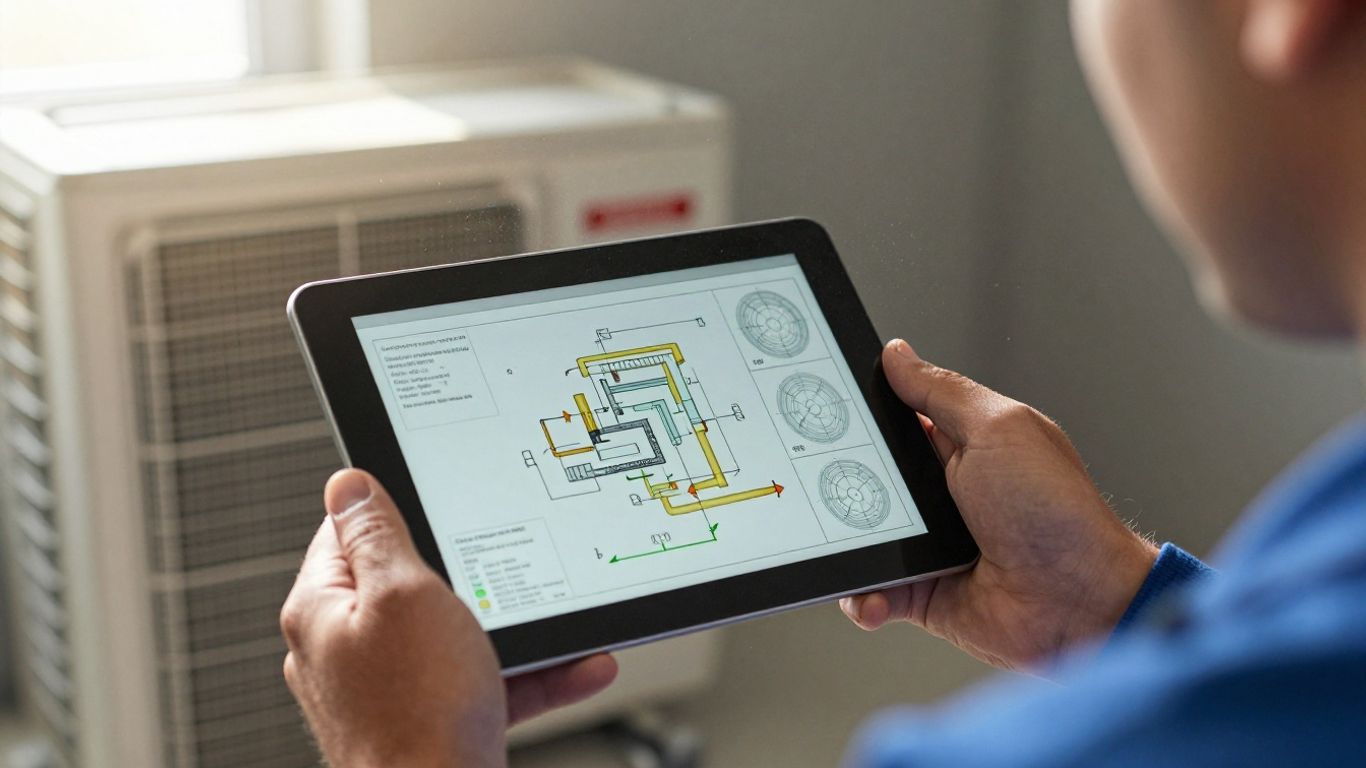
For many small HVAC contractors, estimating has always been a slog. You’re juggling paper notes, clunky spreadsheets, and whatever rough numbers are still stuck in your head from last week’s job. Sure, it works—until it doesn’t. When you lose a bid because your pricing was outdated or eat into your margins on a rushed quote, you start to realize: accuracy isn’t just about math, it’s about your reputation and profit.
The Pitfalls of Traditional Estimating Methods
Manual estimating—think pen, paper, and calculators—tends to trip up even experienced business owners. Here’s why it’s such a headache:
- It’s painfully slow. You’re copying numbers, checking costs, and filling out forms by hand, which means you’re behind the competition.
- Mistakes happen. A small miscalculation or skipped line can mean the difference between profit and loss.
- Presentation suffers. Rushed estimates scribbled in your truck don’t impress clients.
| Common Issues | Impact on Business |
|---|---|
| Manual errors | Lost profits |
| Slow turnaround | Missed opportunities |
| Inconsistent quotes | Confused clients |
Solid estimating isn’t just about crunching numbers. If clients can’t trust your bids or you can’t deliver a sharp, quick proposal, you’re setting yourself up for frustration down the road.
Signs Your Business Is Ready For Estimating Software
How do you know it’s time to move on from spreadsheets and guestimates? Look for these red flags:
- You’re creating more than a handful of quotes each week.
- Your team’s growing, and everyone’s quoting slightly differently.
- You’re branching into new trades or bigger projects—but tracking materials and labor is a mess.
- Losing jobs to faster or more polished competitors has become a pattern.
If any of these sound familiar, it might be time to rethink how your business handles estimates.
HVAC Estimating Software vs. Generic Tools
Bidding for HVAC work isn’t the same as quoting for, say, a landscaping job or a remodel. The unique mix of equipment costs, labor rates, and complex project details just isn’t handled well by generic solutions. Here’s how dedicated HVAC estimating software stacks up:
| HVAC Software | Generic Tools | |
|---|---|---|
| Purpose-built for HVAC | Yes | No |
| Real-time pricing updates | Yes | Rarely |
| Templates for HVAC jobs | Yes | No |
| Integration with scheduling/dispatch | Often | Rarely |
The difference is, HVAC estimating software like BuildOps doesn’t just calculate numbers—it helps tie your estimates to the rest of your workflow, so you can move projects forward with less busywork.
For small businesses looking to save time, cut errors, and present a more professional face to customers, modern estimating tools aren’t just a convenience. They’re quickly becoming a must-have.
Key Features That Define Effective HVAC Estimating Software
Choosing HVAC estimating software isn’t just about picking any digital tool that does math. The needs of a busy contractor or a small business owner often go way beyond that. Here’s what makes good estimating software actually useful day-to-day.
Automated Cost Calculation And Accuracy
The ability to automatically calculate total project costs is the core of reliable HVAC estimating software. Instead of crunching numbers by hand (or crossing your fingers you didn’t skip a line in your spreadsheet), automated tools tally up labor, material, overhead, and markup instantly. Most platforms also bring in real-time supplier prices, so your numbers are always current—no more hunting down catalogs from last season.
Here’s a quick look at what automated calculation can include:
- Pulling up-to-date pricing for materials and equipment
- Factoring in local labor rates and overhead
- Instantly updating totals when you adjust quantities or swap out parts
| Feature | Manual Estimating | HVAC Estimating Software |
|---|---|---|
| Labor calculation | Prone to errors | Automated, accurate |
| Material cost updates | Delayed/Manual | Real-time pricing |
| Markup management | Manual formulas | Built-in adjustments |
Customization For Pricing And Labor Rates
Every HVAC business has its own way of setting prices and determining what to charge for labor. An effective solution should allow you to tweak these variables easily. This includes being able to use your company’s service rates, markups, and preferred vendor costs, so your estimates reflect what you’ll actually spend—and what you want to earn.
- Create and save templates for frequently-used job types
- Adjust margin and rates on a per-project or per-customer basis
- Build custom parts or assemblies libraries for standard installs
A flexible estimating tool eliminates repeated manual entry, so your team can send out quotes in minutes—without worrying if the numbers match your expectations.
Integration With Existing Business Systems
One of the biggest timesavers is software that "plays nice" with other platforms you already use, like accounting or job management apps. For example, some HVAC business software offers tools that turn accepted estimates into invoices instantly, cutting down on repetitive data entry and potential mistakes.
Integration should offer:
- Syncing estimates to work orders, invoices, and customer records
- Pushing updates to job management or dispatch systems
- Easy export of data for bookkeeping or reporting
Cloud-Based Access And Mobile Functionality
In today’s world, you can’t be stuck behind your desk. The right HVAC estimating software needs to work in the field. Cloud-based access means you can update quotes from a laptop, tablet, or even your phone—at the office, in the truck, or on-site. That’s not just convenient, it also means your team stays coordinated and approvals happen faster.
Benefits of going cloud and mobile:
- Update or send estimates from anywhere
- Share real-time estimates with clients and team members
- Always have the latest version—no more lost paperwork or outdated files
Getting the right HVAC estimating software can make the difference between late nights with spreadsheets and quick wins with professional-looking bids. Look for features that go beyond the basics, and your future self (and your bottom line) will thank you.
Choosing The Right HVAC Estimating Software For Your Business
Picking HVAC estimating software isn’t just about fancy features – it’s about whether you and your team can actually use it. If your crew can’t figure out the basics, or you need a special IT person just to get it running, it’s going to slow you down more than it helps. Look for something with a clean layout, drag-and-drop tools, and templates so estimates don’t have to start from scratch every time. Most modern tools offer trial versions, so let your least tech-savvy team member give it a try. If it takes days to get started, that’s a big red flag.
Common ease-of-use considerations:
- Clear, uncluttered interface
- Minimal training required
- Quick onboarding and fast setup
- Good customer support
The right software should let every employee feel confident when sending out quotes, not just your office’s most tech-minded person.
Evaluating Scalability For Business Growth
Your business probably won’t stay the same size forever. The right HVAC estimating software should flex as you bring in more staff, take on bigger projects, or add services like plumbing or electrical. Don’t settle for something that only meets today’s needs.
Key scalability features include:
- User controls so you can add more team members
- Adjustable permissions (who can view, edit, or send quotes)
- Upgrades/packages as your workload grows
- The ability to handle more complex project types
| Feature | Small Team (1-5) | Mid-size (6-20) | Large (21+) |
|---|---|---|---|
| User licenses | 3-5 included | Add per user | Bulk plans |
| Project templates | Basic | Expanded | Advanced |
| Reporting | Simple | Standard | Custom |
Prioritizing HVAC-Specific Functionality
Plenty of general business software can handle basic estimates, but HVAC work is full of unique details. That’s why it pays to pick HVAC-focused software. These tools are built with your industry in mind – from duct sizing and load calculations to pulling up local equipment pricing or handling rebates.
Look for HVAC-specific options such as:
- Pre-loaded databases with current AHRI-rated equipment and prices
- Automatic calculations for energy usage, load, and ductwork
- Templates that include all relevant labor, materials, and time factors
- Local cost data for more accurate estimates
When every estimate matches the work your business actually does, you win more bids and lose less money on missed details.
Benefits Of Implementing HVAC Estimating Software
Switching to dedicated HVAC estimating software isn’t just about getting a new tool; it’s about fundamentally changing how your business operates, and for the better. Think about it: those old ways of doing things, the spreadsheets and scribbled notes, they’re not just slow, they’re a breeding ground for errors that can really hurt your bottom line. Software fixes that.
Faster And More Accurate Bidding Processes
This is probably the most obvious win. Instead of spending hours, maybe even days, manually calculating material costs, labor, and overhead for every single job, the software does it in minutes. It pulls from a database of up-to-date pricing and labor rates, so you’re not guessing. This speed and accuracy give you a serious edge when you’re trying to win bids. You can get quotes out to clients much faster, which is huge when they’re making decisions quickly. Plus, fewer mistakes mean fewer headaches down the road.
Improved Profitability On Every Project
It’s easy for small errors in estimates to snowball into big profit losses. Underestimating labor, forgetting a key material, or not factoring in all your overhead costs can turn a job that looked good on paper into a money-loser. Software helps you avoid this. You can set consistent markup rates, track your profit margins in real-time, and make sure every bid covers your costs while still being competitive. It’s about making smarter pricing decisions so you’re not leaving money on the table.
Standardized Estimates And Professional Proposals
If you have multiple people doing estimates, you know how different they can look. One might be super detailed, another might be brief. This inconsistency can confuse clients and make your business look less professional. Estimating software creates a uniform look and feel for all your quotes. Everyone uses the same templates, the same pricing structure, and the same formatting. This means every bid that goes out represents your business consistently, looking polished and trustworthy. It makes it easier for clients to compare apples to apples, too.
Enhanced Job Planning And Resource Allocation
An accurate estimate is the first step to a well-run project. When your estimate breaks down exactly what materials, how much labor, and the estimated time needed, you can plan much better. The software helps you figure out exactly what resources you’ll need before the job even starts. This means you can schedule your crews more effectively, order materials on time, and avoid those frustrating delays that eat up time and money. It sets the stage for a smoother operation from start to finish.
Top HVAC Estimating Software Solutions For Small Businesses
Finding the right software can feel like searching for a needle in a haystack, especially when you’re running a small HVAC business. You need something that’s powerful enough to handle your bids accurately but also simple enough that your team can actually use it without a week-long training session. Let’s look at some options that are making waves in the industry, broken down by what kind of business they might fit best.
Solutions For Growing And Established Businesses
For businesses that are past the startup phase and looking to really scale, you need a system that can do more than just estimates. Think all-in-one platforms. ServiceTitan is a big name here. It’s not just for estimating; it handles scheduling, dispatching, and even invoicing. It’s like the central hub for your entire operation. While it’s a bit pricier, if you’re serious about growth and managing a larger team or more complex jobs, it’s worth a look. It offers a lot of customization for pricing and labor rates, which is a huge plus when you’re trying to keep your bids competitive and profitable.
Options For Small To Mid-Sized Contractors
If you’re a smaller outfit or just starting to get a steady stream of work, you might not need the full enterprise suite. Housecall Pro is a solid choice. It’s known for being user-friendly and has a good mobile app, so your technicians can create estimates right on the spot. It strikes a good balance between having the necessary features and not being overly complicated. Another good option in this category is Jobber. It’s also cloud-based, making it accessible from anywhere, and it integrates well with accounting software like QuickBooks. This makes managing your finances much smoother.
Tools For Mobile Field Teams
When your team is constantly on the go, having a mobile-first estimating tool is a game-changer. Housecall Pro and Jobber both shine here with their mobile apps. They allow your techs to pull up customer history, create detailed estimates with photos and parts lists, and even get them approved on-site. This speeds up the whole process from the initial visit to getting the job booked. It means less paperwork back at the office and faster turnaround times for your customers.
Software For Sales-Driven Teams
If your business relies heavily on a strong sales process and you need estimates that are not only accurate but also look professional and persuasive, you’ll want software that supports this. While many platforms offer good estimating features, some are built with the sales experience in mind. Look for software that allows for easy customization of proposal templates, the inclusion of photos and detailed breakdowns, and quick generation of quotes. This helps your sales team close deals more effectively by presenting clear, compelling, and accurate pricing to potential clients. The ability to quickly adjust pricing or add special notes can also be a significant advantage in a competitive sales environment.
Wrapping It Up
So, we’ve looked at why getting your estimates right is a big deal for HVAC businesses. Manual methods just don’t cut it anymore, especially when you’re trying to grow. The right software can really make a difference, helping you price jobs accurately, look more professional to clients, and ultimately, make more money. It’s not about finding the fanciest tool, but the one that fits how you work and helps your team get the job done faster and better. Picking the right software means less stress over numbers and more time focusing on the actual work.
Frequently Asked Questions
Why should my small HVAC business use estimating software instead of spreadsheets?
Spreadsheets can work when you’re just starting, but they quickly become a mess as your business grows. They take a lot of time to update, are prone to errors, and make it hard for everyone on your team to create consistent bids. Software automates calculations, uses up-to-date pricing, and helps you create professional-looking quotes much faster, so you can win more jobs and avoid losing money.
What are the most important features to look for in HVAC estimating software?
You’ll want software that’s easy to use so your team can learn it quickly. It should let you customize prices and labor rates to match your business. Features like automated calculations, pre-built templates, and the ability to access it from anywhere (cloud-based) are also super helpful. Integration with other tools you use, like accounting software, is a big plus too.
How does HVAC estimating software help make my business more profitable?
When you estimate jobs correctly, you’re less likely to undercharge or overcharge. Software helps you accurately calculate all costs – materials, labor, and even overhead – and add the right profit margin. This means you’re more likely to win bids and make money on every job, instead of losing it due to simple math mistakes.
Can this software really speed up my bidding process?
Absolutely! Instead of spending hours manually calculating costs and typing up proposals, software can do most of the heavy lifting in minutes. It pulls pricing data, calculates labor, and helps you create a professional quote quickly. This means you can send out more bids and respond to potential customers faster, which is key in winning jobs.
Is HVAC-specific software better than a general estimating tool?
Yes, it’s much better for HVAC businesses. General tools might calculate totals, but they don’t have the special features HVAC pros need, like built-in lists of HVAC equipment and parts with current pricing, or tools for calculating heating and cooling needs. HVAC-specific software is designed for your industry, making your estimates more accurate and efficient.
What if my business grows? Can the software keep up?
That’s a great question! When choosing software, look for one that’s scalable. This means it can handle more complex jobs, more users, and more data as your business expands. Good software will grow with you, allowing you to add new services or take on bigger projects without needing to switch tools.